Connecting engineering, computer science, and architecture to conduct research in digital transformation for a circular built environment.
Circular Engineering for Architecture
Catherine De Wolf is the founder and director of the Circular Engineering for Architecture (CEA) Lab at ETH Zurich. Her research explores how digital methods can support the transition of the built environment toward more circular and resource-efficient practices. The construction sector remains one of the world’s largest consumers of materials and producers of waste and greenhouse gas emissions, mainly due to linear processes and fragmented information flows. Her work responds to these challenges by investigating how emerging digital technologies can enable the reuse of buildings and building components at larger scales.
The CEA Lab’s research lies at the intersection of architecture, engineering, and construction, focusing on digital technologies such as artificial intelligence (AI), reality capture, computational design, robotics, and extended reality. Drawing on innovations from other sectors (e.g., AI for imaging, inspection, and logistics; digital identity and traceability systems from supply chains; and robotic manufacturing from the automotive and aerospace industries), the lab develops methods that support circular construction. Life-cycle assessment plays a vital role by enabling the evaluation of the environmental impact of circular strategies. The research enables the documentation, recovery, tracking, redesign, and reassembly of existing building materials toward lower-carbon, regenerative practices.
Digital Circular Construction
The long-term aim of this research is to contribute to the transformation of the built environment by connecting architectural and engineering practice with emerging digital technologies in ways that support circularity, resilience, and environmental responsibility. Rather than treating digital transformation and circular construction as separate efforts, De Wolf’s work explores how digital tools can act as practical enablers of circular practices. This includes improving access to reliable information about existing buildings, supporting selective deconstruction and reuse, and enabling design processes that take reclaimed components as a starting point. A recurring focus of De Wolf’s research is the development of structured digital workflows that connect different stages of the construction life cycle.

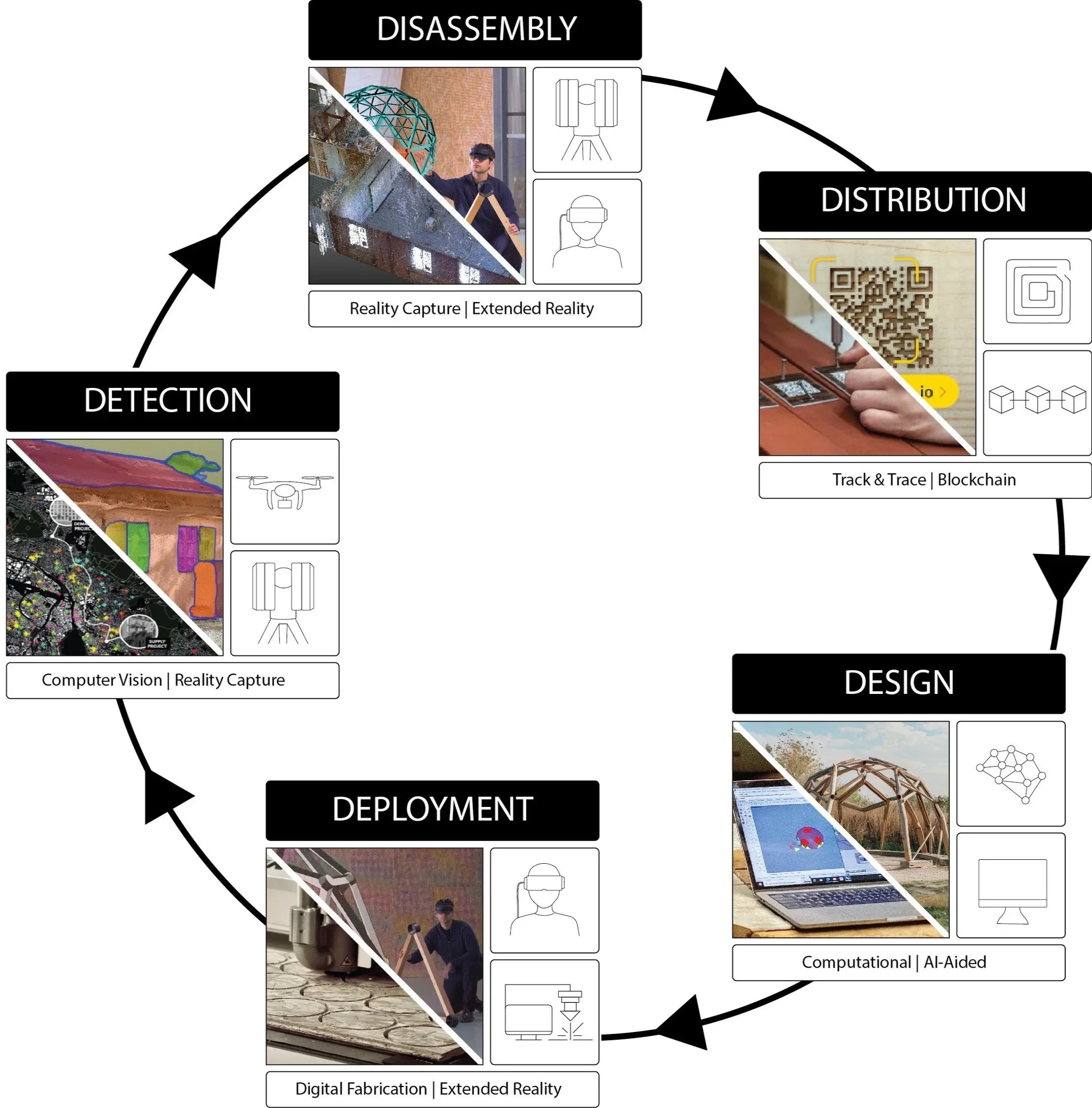
One such contribution is the D5 Digital Circular Workflow, which brings together five interrelated stages:
Detect
Methods using computer vision and reality capture to identify and document reusable building components at the building and urban scale.Deconstruct
Digital planning tools and robotic support for selective and reversible disassembly of buildings and components.Distribute
Systems for tracking and tracing materials through digital product passports, physical–digital identifiers, and shared data infrastructures.Design
Computational and AI-assisted design approaches that help align available reclaimed components with new project requirements.Deploy
Digital fabrication and extended-reality tools that support the careful reassembly and integration of reclaimed materials in construction.
This workflow provides a common reference framework for research and applied projects and has been explored through academic studies, industry collaborations, and full-scale demonstrators.

Detect and Deconstruct
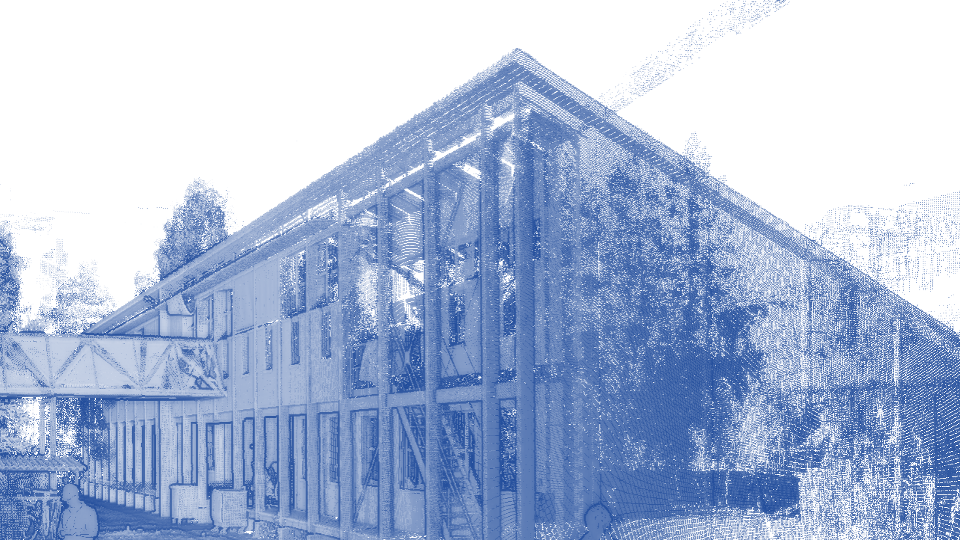
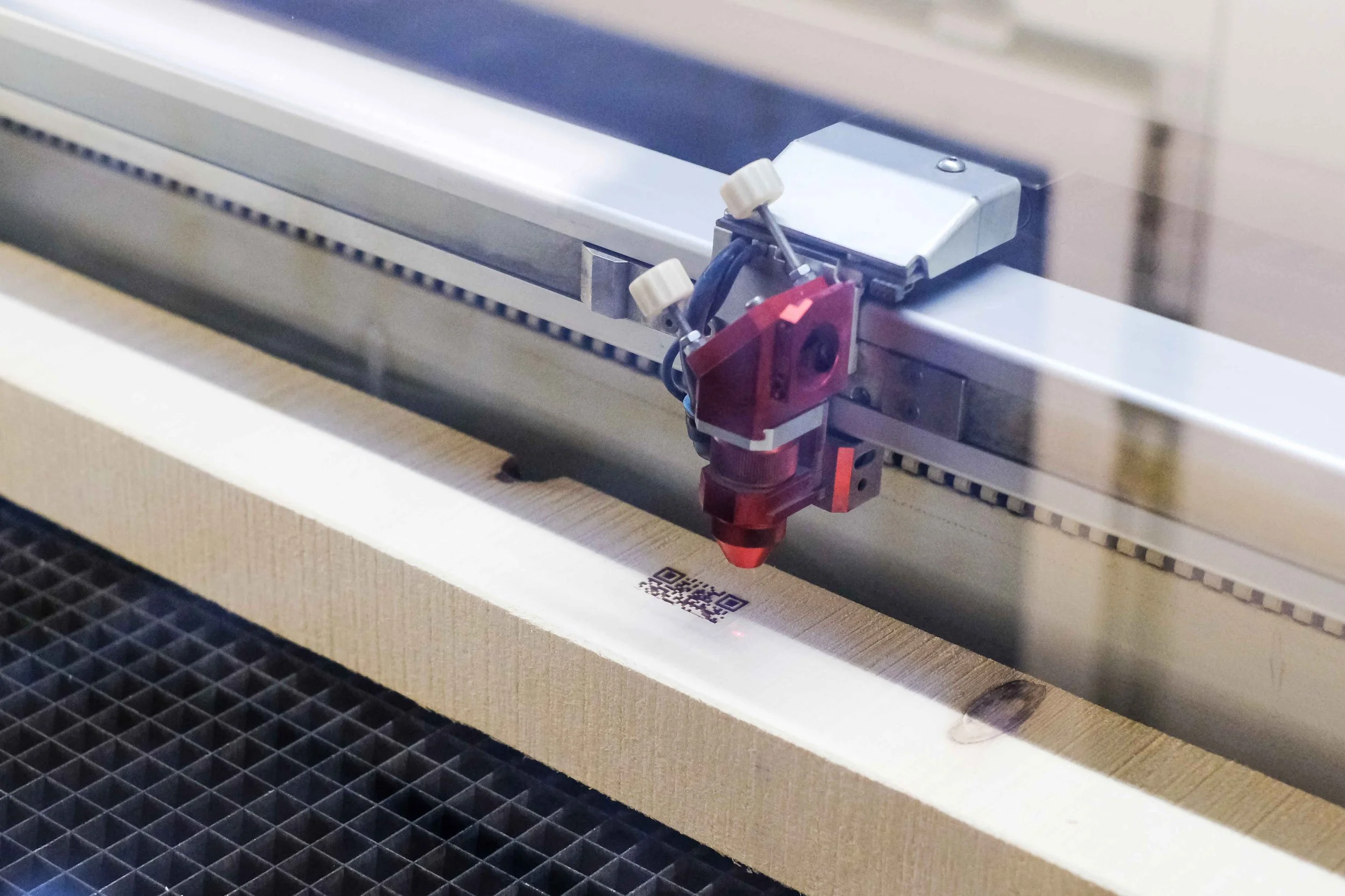
The CEA Lab develops digital methods for documenting existing building stocks using artificial intelligence and scan-to-BIM technologies. These approaches support assessments of material availability and reuse potential at both building and urban scales. Computer vision and machine learning are used to anticipate when and where building materials are likely to become available for reuse, while big data analytics across multiple data sources help identify demolition and renovation processes. In addition, photogrammetry, LiDAR scanning, and other reality-capture techniques are applied to generate detailed point clouds of buildings slated for transformation, providing structured information on existing material stocks.
Distribute
The research focuses on digital product passports, semantic data models, and physical–digital interfaces that enable building materials to retain information over time. These systems support material traceability and reuse across multiple life cycles by linking geometric, material, and contextual data. Detailed digital representations of buildings and components form the basis for digital product passports, used to connect reclaimed materials from demolition sites to new construction projects. These passports feed into matchmaking systems that connect the supply of reclaimed materials with demand, supporting informed decision-making and coordination across circular construction workflows.

Design and Deploy
The research explores computational and AI-based design approaches for reclaimed and non-standard materials, with a focus on managing uncertainty, geometric variation, and tolerance while supporting adaptable and reversible construction. Digital fabrication and extended-reality technologies are investigated as tools for circular assembly and reassembly under real-world conditions. As part of the National Centre of Competence in Research (NCCR) on digital fabrication, this work examines how robotic fabrication and additive and subtractive manufacturing can facilitate the disassembly, adaptation, and reuse of building components, enabling circular construction strategies at full scale.
Previous Research
Catherine De Wolf conducted her PhD at the Massachusetts Institute of Technology (MIT) and also worked at University of Technology Delft (TU Delft), the Swiss Institute of Technology Lausanne (EPFL), and the University of Cambridge. She obtained a dual degree in civil engineering and architecture from the University of Brussels (VUB / ULB). Her research focused on embodied carbon and life cycle design.
Life Cycle Assessment
Many challenges arise when conducting a life cycle assessment (LCA) of reused building materials. Read more about work at EPFL tackling these challenges.
Low Carbon Structural Design
De Wolf’s PhD dissertation defined low carbon pathways for structural design by creating the database of embodied Quantity outputs.

Life Cycle Design
In four-dimensional (4D) design, the “time” parameter, i.e. the complete life cycle of a building, is taken into account to support design for reuse.
Selected Books and Book Chapters
-
![The Art of Connecting]()
The Art of Connecting
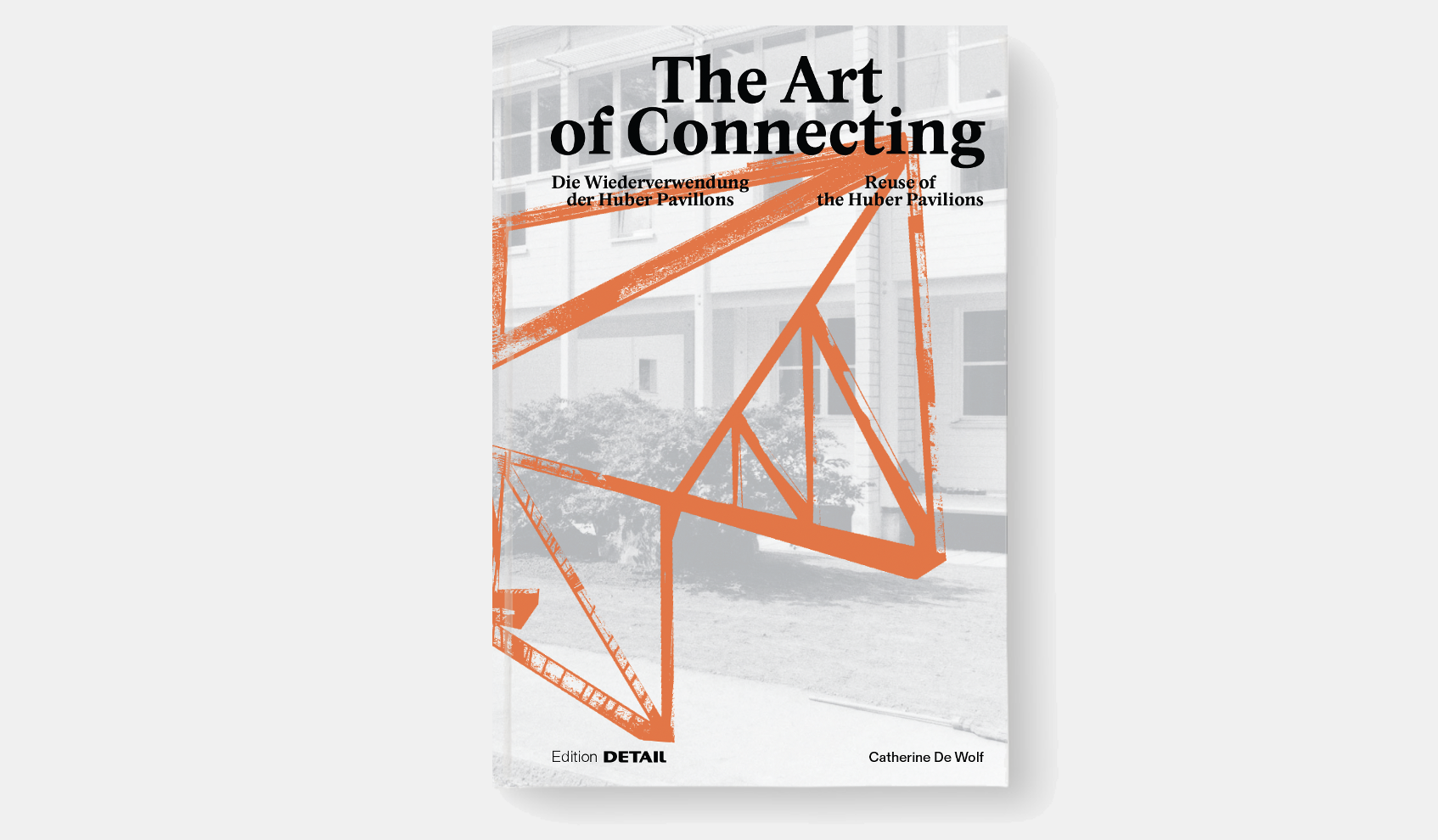
De Wolf, C. (2025). The Art of Connecting. The Reuse of the Huber Pavilions. DETAIL Verlag.
-
![A Circular Built Environment in the Digital Age]()
A Circular Built Environment in the Digital Age
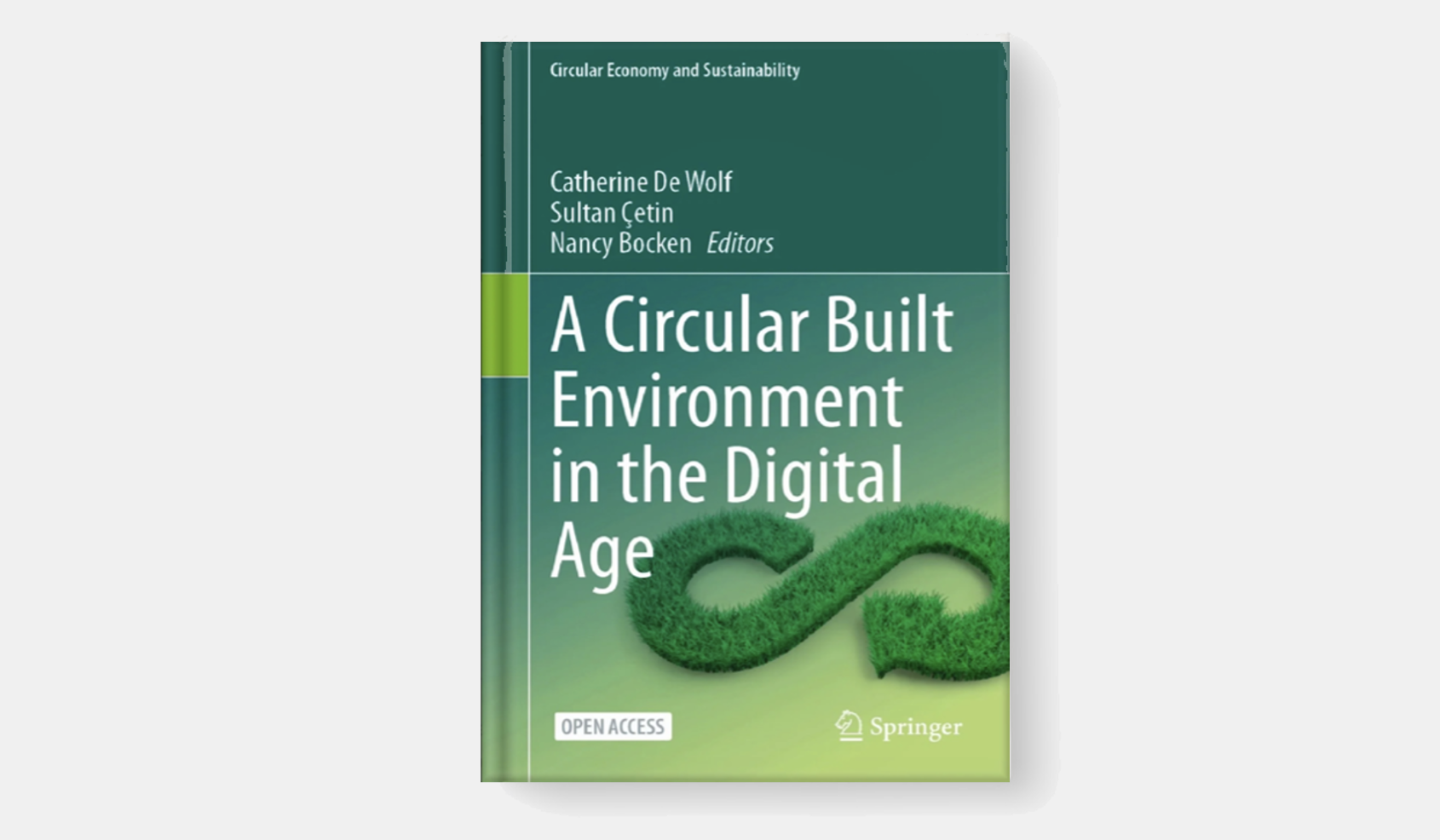
De Wolf, C., Cetin, S., & Bocken, N. (Eds.) (2024). A Circular Built Environment in the Digital Age. Springer.
-
![High Tech Heritage]()
High-tech heritage (Chapter)
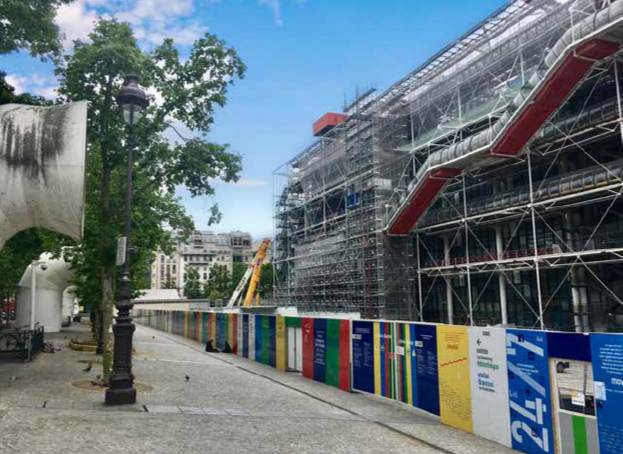
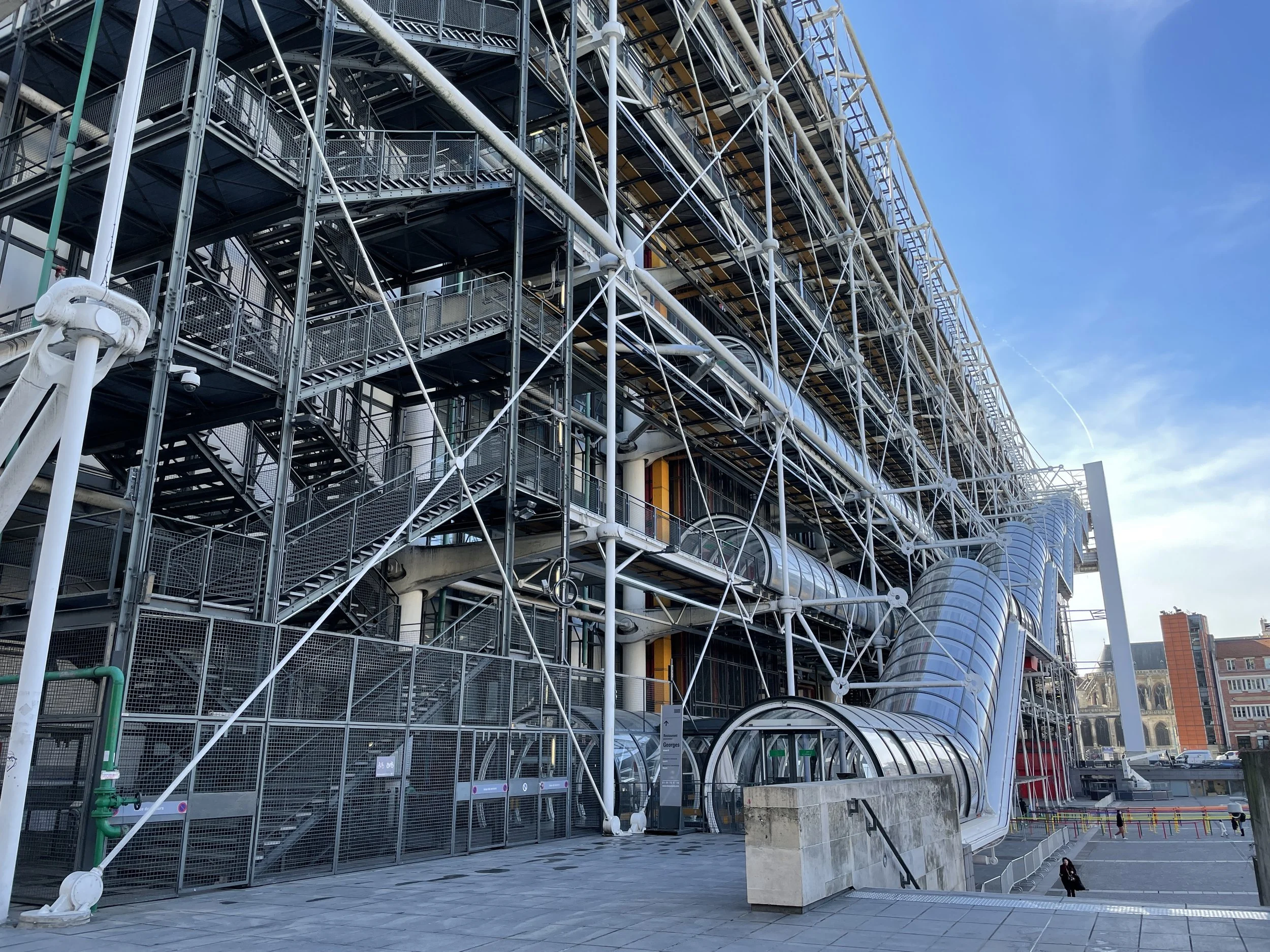
De Wolf, C. (2024). Saving reused building materials through architectural design – The case of the Centre Pompidou glass. In: Brenner, M., Langenberg, S., Angermann, K., & Meier, H.-R. (Eds.). (2021). High-tech heritage: (Im)permanence of innovative architecture. Birkhäuser.
-
![Circular Economy Design and Management]()
Circular Economy Design and Management in the Built Environment (Chapter)
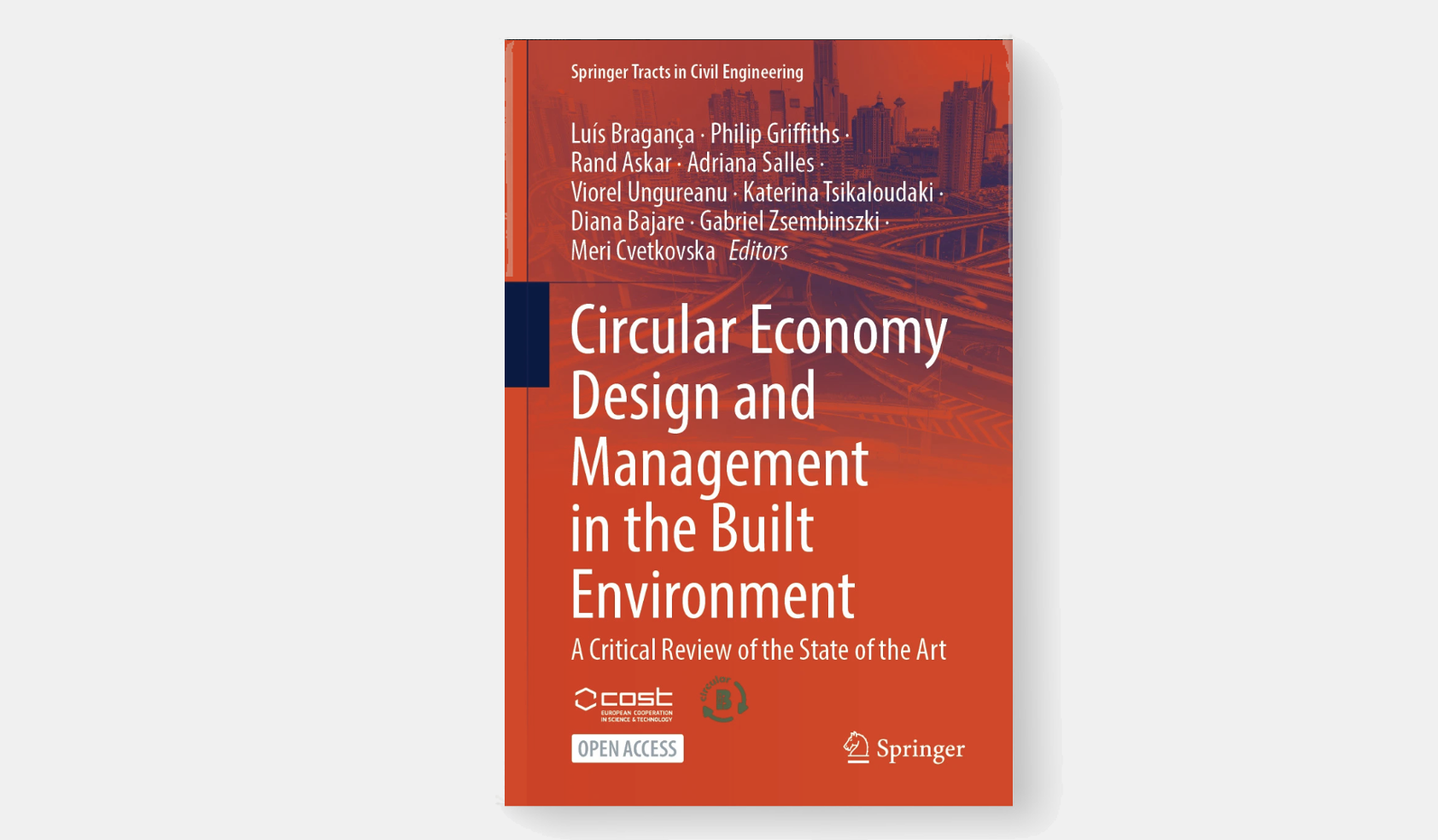
Leindecker, G., Askar, R., Güngör, B., Blázquez, T., Turbina, N., Gómez-Gil, M., Karanafti, A., Bragança, L., & De Wolf, C. Material and building passports as supportive tools for enhancing circularity in buildings (pp. 507–544). In L. Bragança et al. (Eds.), Circular Economy Design and Management in the Built Environment. Springer.
-
![Embodied Carbon in Buildings]()
Embodied Carbon in Buildings: Measurement, Management and Mitigation
Pomponi, F., De Wolf, C., Moncaster, A. (eds.) (2018) Embodied Carbon in Buildings: Measurement, Management, and Mitigation. Springer.
-
![Book]()
The New Carbon Architecture: Building to Cool the Climate (Chapter)
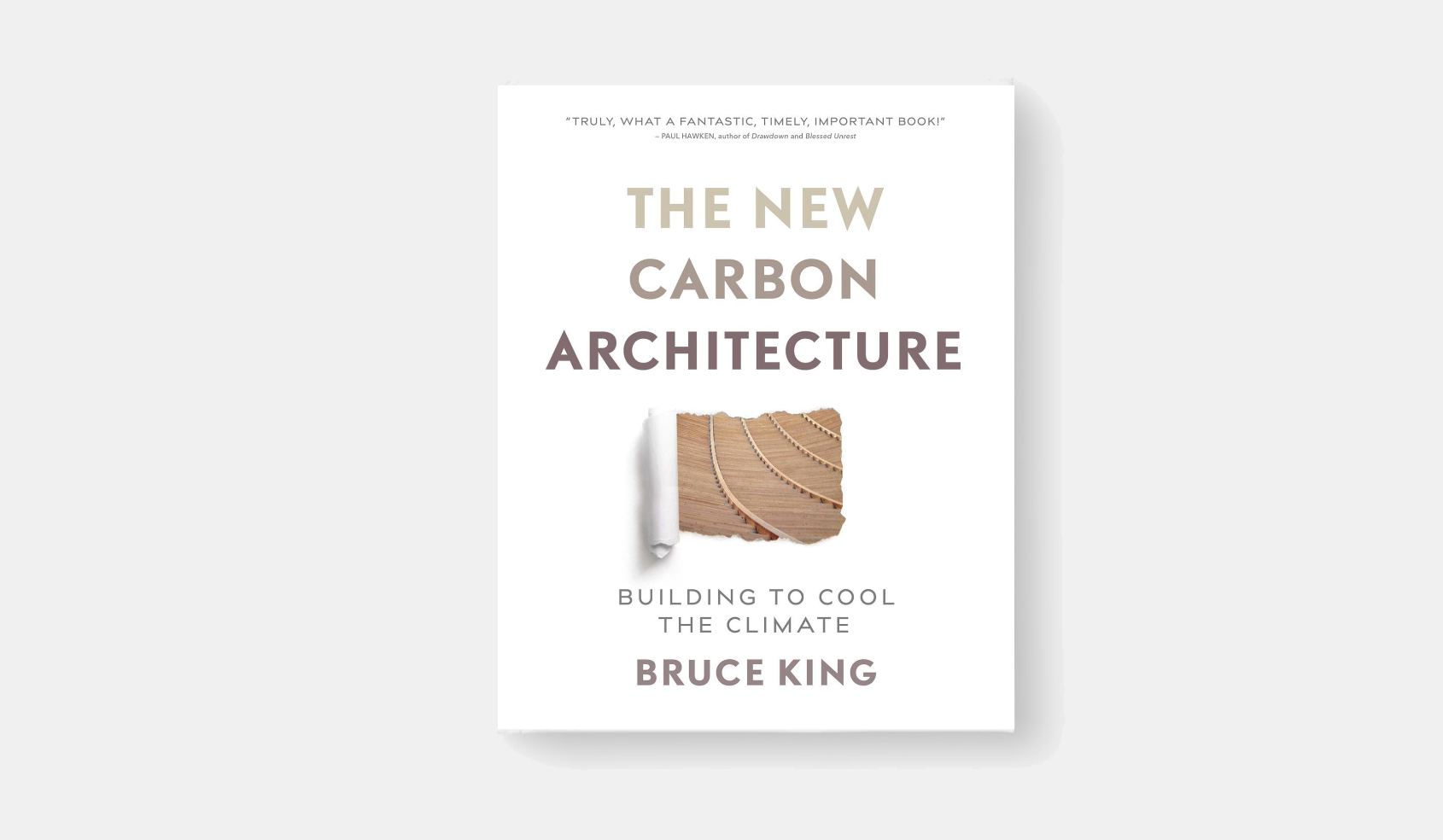
De Wolf, C., Droguett, B.R., Simonen, K. (2017). Counting Carbon – What We Know and How We Know It. In: King, B. (ed.), New Carbon Architecture, Building to Cool the Climate. New Society Publishers.