
Publications
Books
A selection of books related to research and practice at the intersection of circular principles, digital technologies, and the built environment.
Author and/or Editor
-
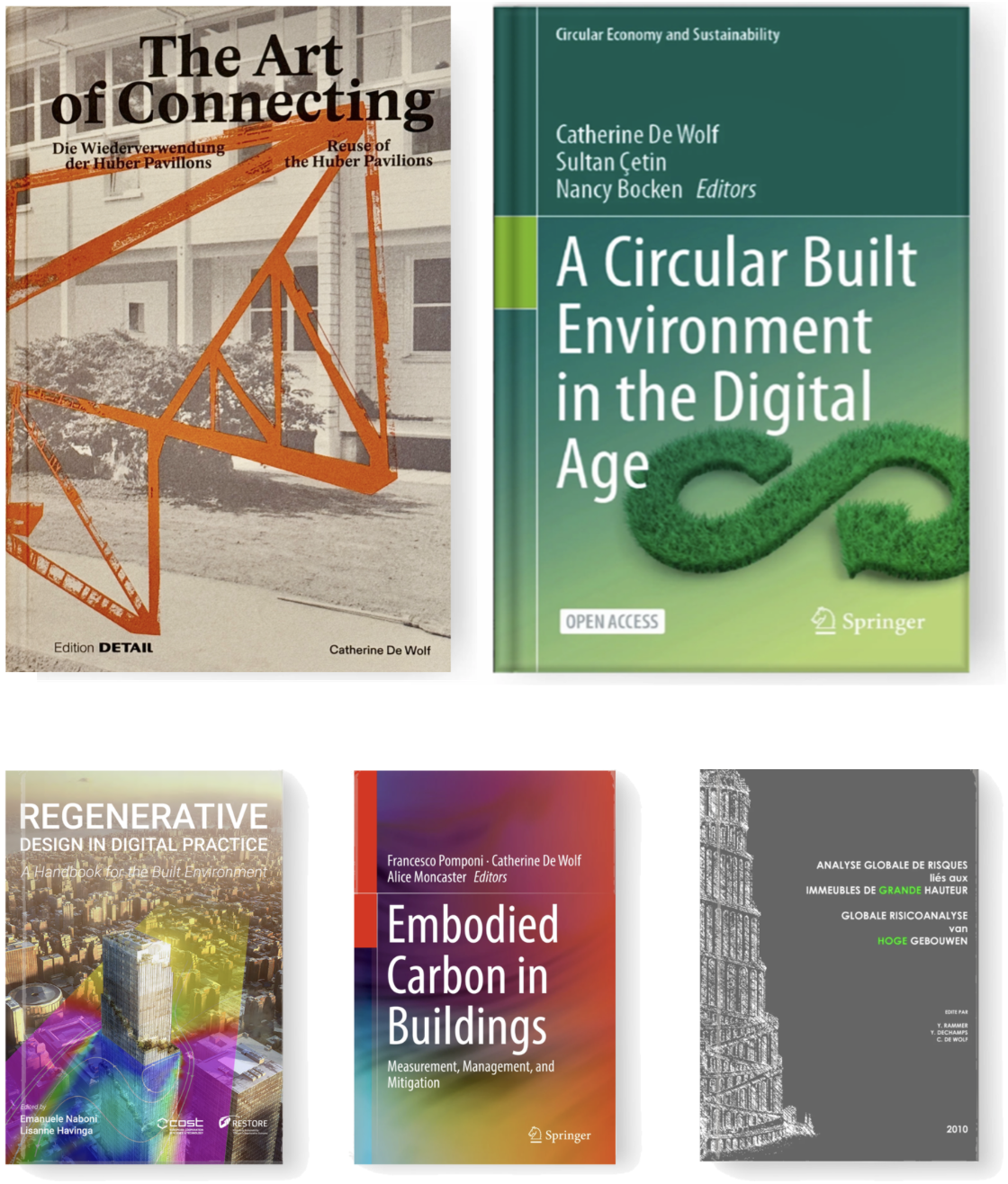
De Wolf, C. (2025). The Art of Connecting. The Reuse of the Huber Pavilions. DETAIL Verlag. https://doi.org/10.11129/9783955536497
Catherine De Wolf is the author of The Art of Connecting: Reuse of the Huber Pavilions, a bilingual (EN-DE) book published by DETAIL that documents how materials from the former Huber Pavilions at ETH Zurich were reclaimed and reused as part of a circular construction process. Drawing on project documentation and conversations with architects and collaborators, De Wolf uses this case study to highlight the shift from a linear to a circular economy in construction, showing how hands-on learning, transdisciplinary collaboration, and practical experimentation can drive innovative and sustainable design solutions.
-
De Wolf, C., Cetin, S., & Bocken, N. (Eds.) (2024). A Circular Built Environment in the Digital Age. Springer. https://link.springer.com/book/10.1007/978-3-031-39675-5
This open-access edited volume shows how digital technologies can support circular construction, from identifying reusable materials to enabling circular design, fabrication, and business models. Edited by Catherine De Wolf, Sultan Çetin, and Nancy M. P. Bocken, the book is organized around (1) data, (2) design and fabrication, and (3) business and governance. Both scientific advances and real-world examples toward a circular built environment are illustrating the book.
-
Naboni, E., Havinga, L. (Eds.) Brown, M., Loder, A., Altomonte, S., Peters, T., Finocchiaro, L., Chokhochian, A., De Souza, C.B., De Wolf, C., Marvuglia, A. (2019) Regenerative design in the digital practice. A Handbook for the Built Environment. Eurac Research, COST - European Cooperation in Science and Technology “Rethink Sustainability Towards a Regenerative Economy” (RESTORE).
• Editor (Section): Lavinga, L., De Wolf, C., Marvuglia, A., Naboni, E. (eds.) (2019). Carbon and ecology within the design process. Environmental Impact Assessment.
• Author (Chapter): De Wolf, C. (2019). Integrating the reuse of structures in LCA tools.
-
Pomponi, F., De Wolf, C., Moncaster, A. (Eds.) (2018). Embodied Carbon in Buildings: Measurement, Management, and Mitigation. Springer.
• Author (Chapter): De Wolf, C., Simonen, K., Ochsendorf, J. (2018). Initiatives to Report and Reduce Embodied Carbon in Buildings in North America.
-
Rammer, Y., Deschamps Y., De Wolf, C. (2010). Analyse Globale de Risques liés aux Immeubles de Grande Hauteur. Globale Risicoanalyse van Hoge Gebouwen. Presses universitaires de Bruxelles asbl (P.U.B.).
Interview Contributions
-
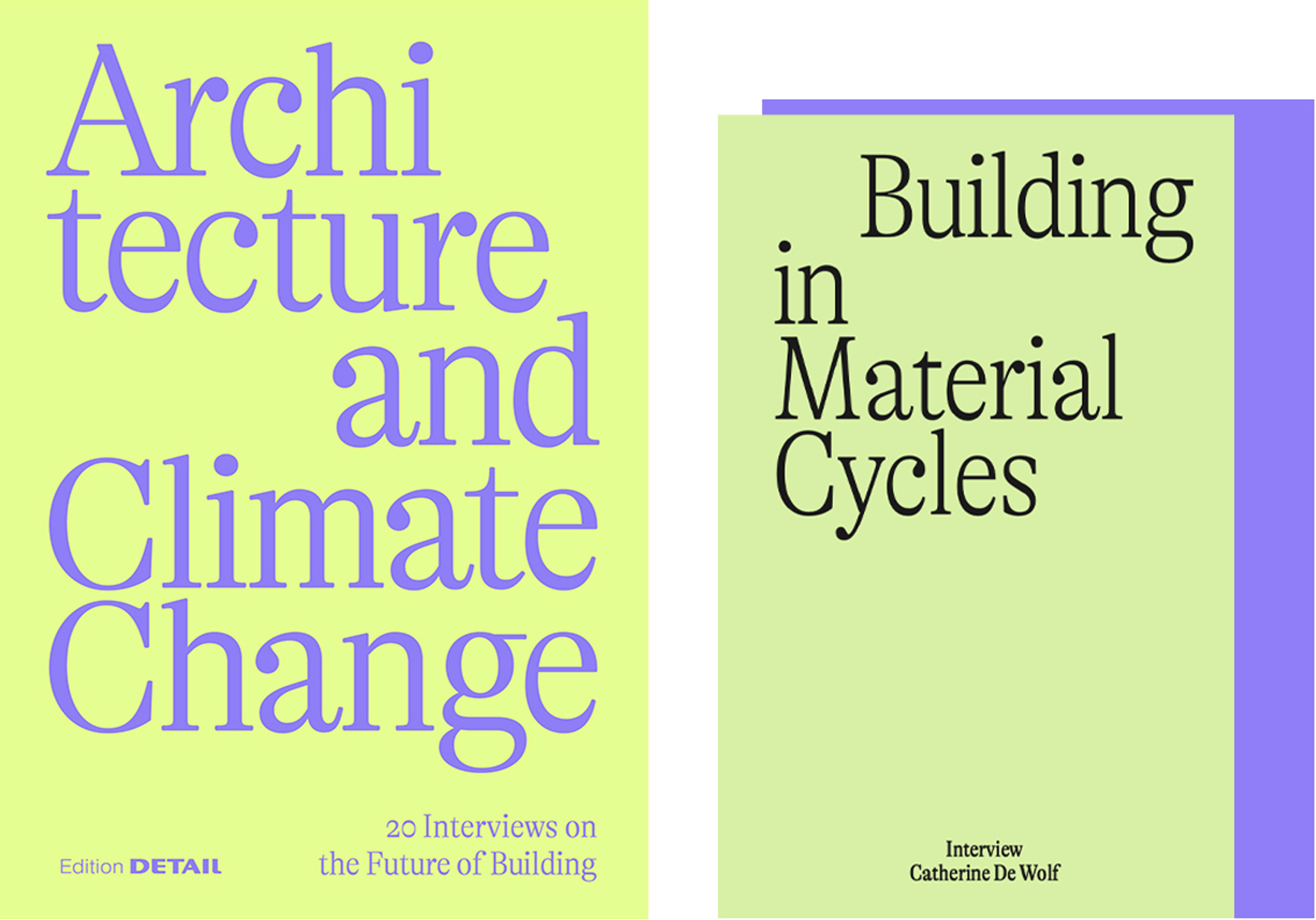
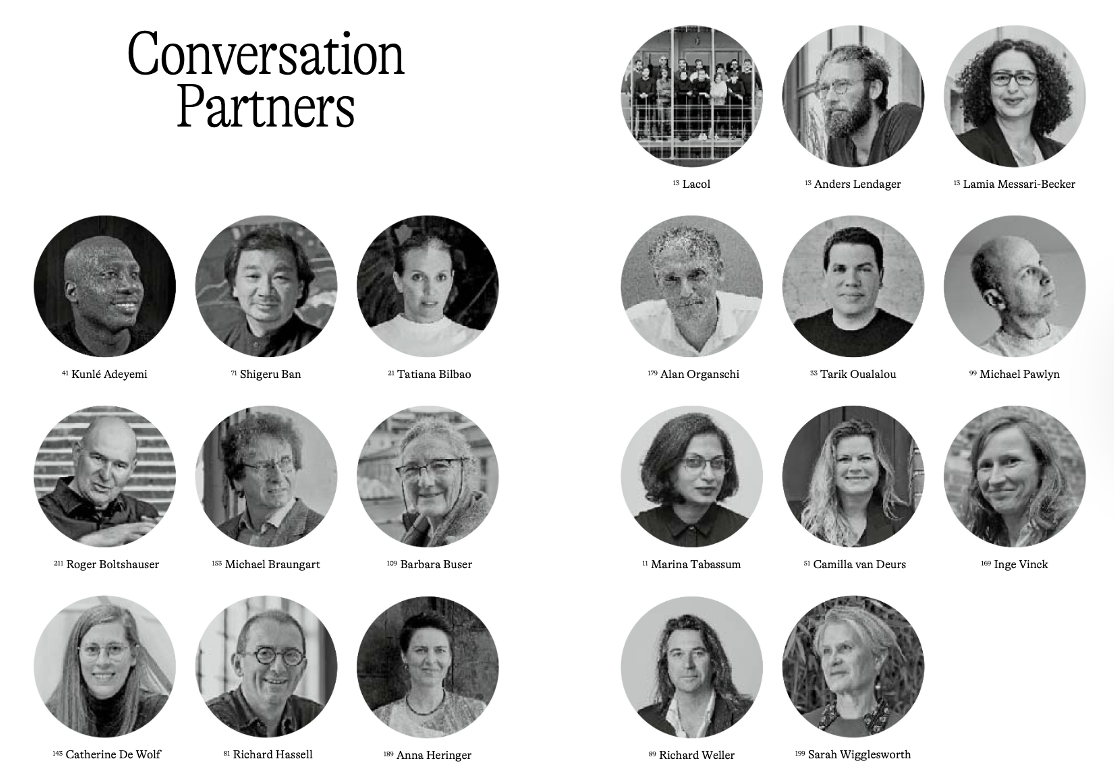
Catherine De Wolf is one of the featured architects interviewed in the book Architecture and Climate Change: 20 Interviews on the Future of Building by Sandra Hofmeister, where De Wolf speaks about her experience with climate-friendly construction and the challenges of material reuse in the built environment. She reflects on the need to shift construction practices toward circularity and how digital tools can help make meaningful progress in reducing waste and emissions.
Chapter Contributions
-
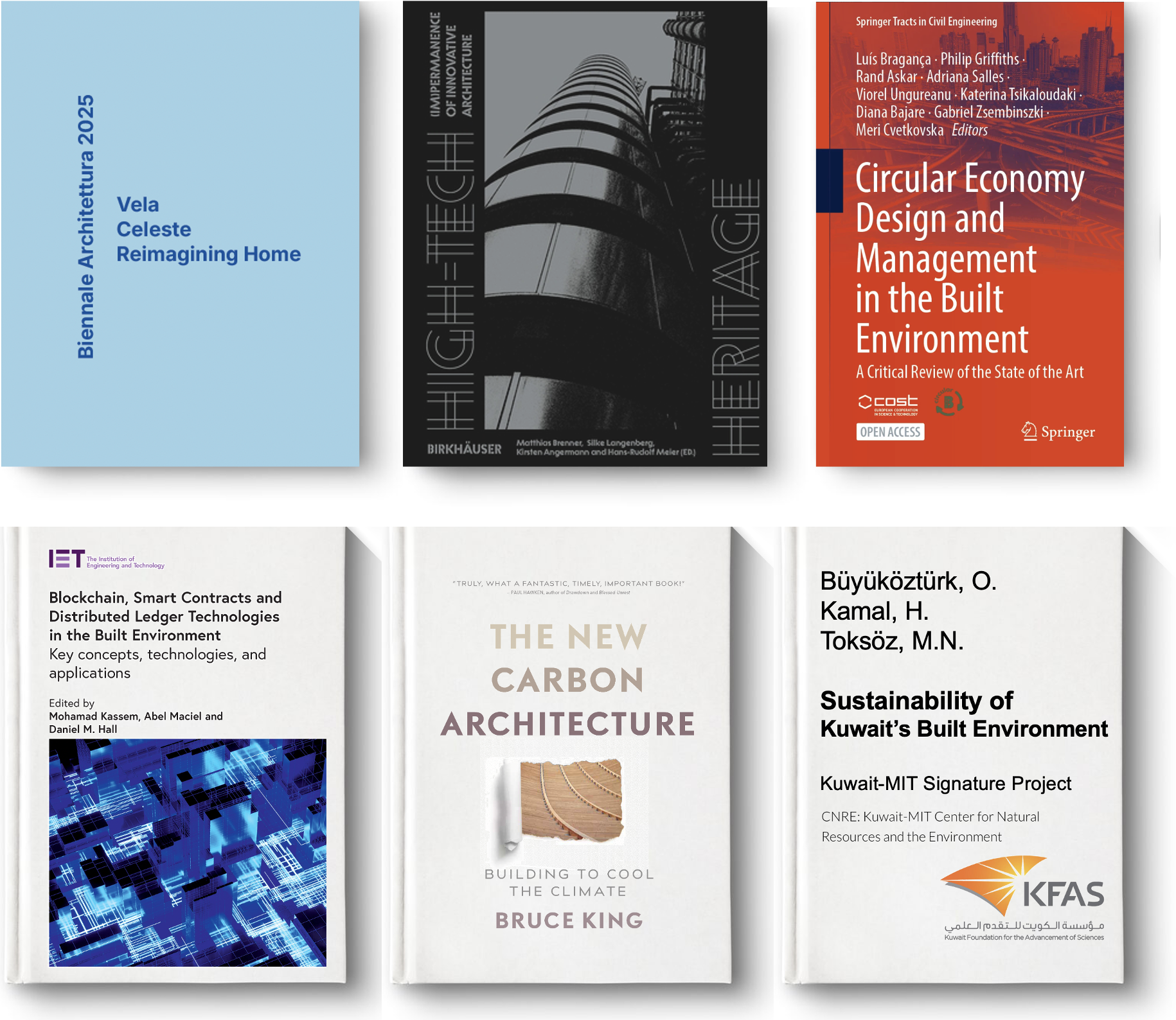
De Wolf, C. Who gets to imagine the future? In C. Ratti, G. Manfredi, & L. Lieto (Eds.), Vela Celeste: Reimagining home (pp. 14–15). CRA – Carlo Ratti Associati / Comune di Napoli.
-
De Wolf, C. (2021). Saving reused building materials through architectural design – The case of the Centre Pompidou glass. In: Brenner, M., Langenberg, S., Angermann, K., & Meier, H.-R. (Eds.). (2021). High-tech heritage: (Im)permanence of innovative architecture. Birkhäuser doi.org/10.1515/9783035629620
-
Askar, R., Karaca, F., Salles, A., Lukyanenko, A., Cervantes Puma, G. C., Tavares, V., Khaidarova, A., Nadaždi, A., Pineda-Martos, R., Díaz-Cabrera, J. M., Honic, M., De Wolf, C., Resulogulari, E. C., Karatas, I., Gervásio, H., & Bragança, L. (2025). Driving the built environment twin transition: Synergising circular economy and digital tools (pp. 459–506). In L. Bragança et al. (Eds.), Circular economy design and management in the built environment. A Critical Review of the State of the Art. Springer. https://doi.org/10.1007/978-3-031-73490-8_17
Leindecker, G., Askar, R., Güng.r, B., Blázquez, T., Turbina, N., Gómez-Gil, M., Karanafti, A., Bragança, L., & De Wolf, C. (2025). Material and building passports as supportive tools for enhancing circularity in buildings (pp. 507–544). In L. Bragança et al. (Eds.), Circular economy design and management in the built environment. Springer. https://doi.org/10.1007/978-3-031-73490-8_18
-
Dounas, T., Hall, D. M., Kifokeris, D., Christie, D., Hunhevicz, J., Kedir, F., Mante, J., Sibenik, G., Sreckovic, M., Tagliabue, L. C., & De Wolf, C. Digital building logbooks on the blockchain: First conceptualisation and future research directions. In M. Kassem, A. Maciel, & D. M. Hall (Eds.), Blockchain, Smart Contracts and Distributed Ledger Technologies in the Built Environment (pp. 147–171). CRC Press. https://doi.org/10.1049/PBBE007E_ch6
-
De Wolf, C., Droguett, B.R., Simonen, K. (2017). Counting Carbon – What We Know and How We Know It. In: King, B. (ed.), New Carbon Architecture, Building to Cool the Climate. New Society Publishers. Link to Book.
-
Reinhart, C., Ochsendorf, J., Cerezo, C., Jones, N., Soares, N., De Wolf, C. (2017). Enhanced Operational Energy Efficiency and Life Cycle Performance of Buildings and Neighborhoods in Kuwait. In: Büyük.ztürk, O., Kamal, H., Toksöz, M.N. (Eds.), Sustainability of Kuwait’s Built Environment, Kuwait-MIT Signature Project, Kuwait Foundation for the Advancement of Sciences (KFAS) through MIT - Center for Natural Resources and the Environment (CNRE).
Chapter Contributions to Conference Proceedings
-
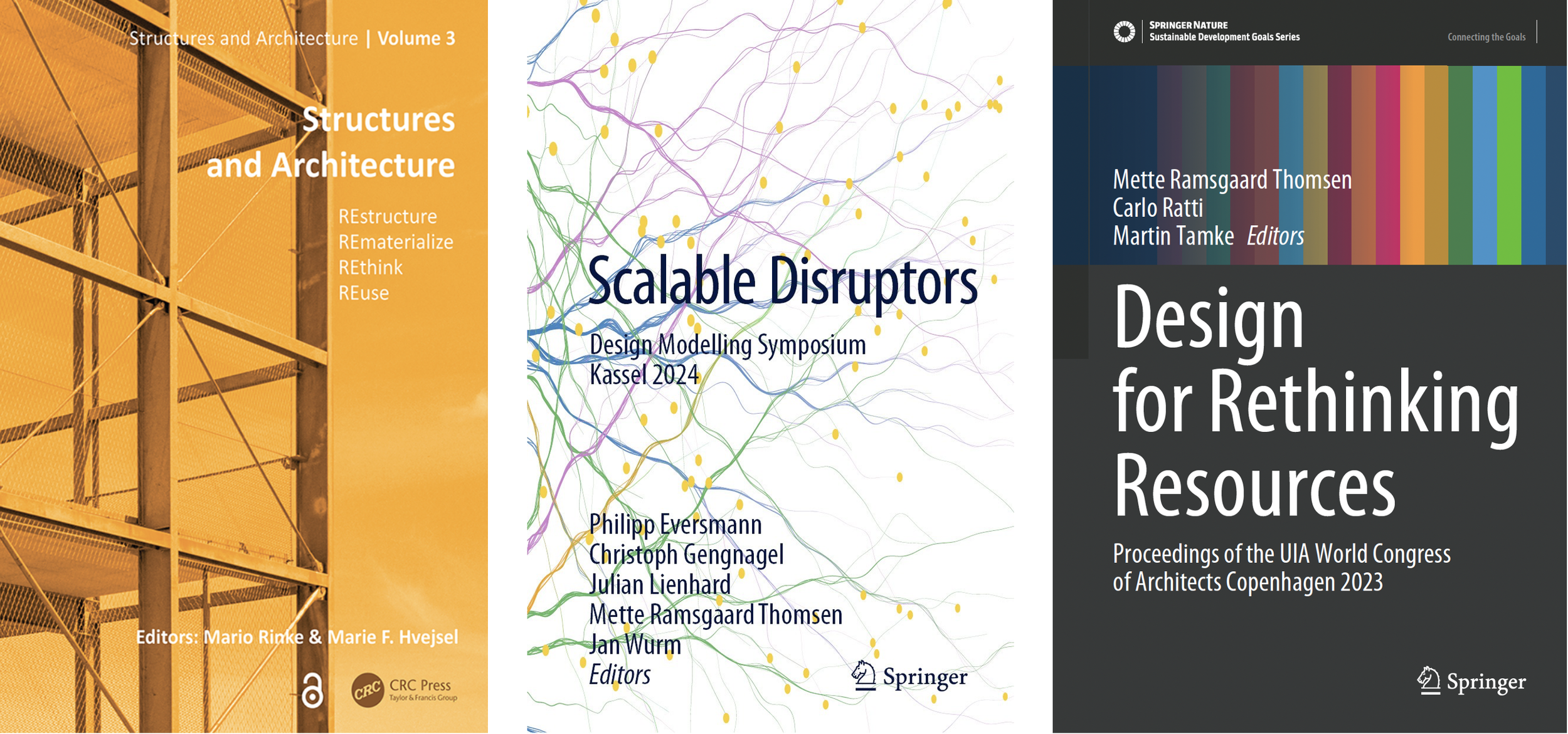
Silvennoinen, H., Piccioni, V., Eftekhar-Olivo, N., Milano, F., Block, P., & De Wolf, C. (2025). Circularity assessment of 3D-printed polymer façades. In M. Rinke & M. F. Hvejsel (Eds.), Structures and Architecture: REstructure REmaterialize REthink REuse (1st ed., pp. 573-580). CRC Press. https://doi.org/10.1201/9781003658641-69
Schwarzkopf, V., Wu, P.Y., Nolte, T., & De Wolf, C. (2025). Fostering creativity using AI towards a circular economy in architectural engineering design. In M. Rinke & M. F. Hvejsel (Eds.), Structures and Architecture: REstructure REmaterialize REthink REuse (1st ed., pp. 3-10). CRC Press. https://doi.org/10.1201/9781003658641-1
-
Law, I., Chang, K. C., Önalan, B., Reisach, D., Griffioen, S. J., de Saussure, A., Dillenburger, B., De Wolf, C. Web-based material database for circular design. In P. Eversmann, C. Gengnagel, J. Lienhard, M. Ramsgaard Thomsen, & J. Wurm (Eds.) Scalable Disruptors. Design Modelling Symposium Kassel 2024. (pp. 116-127). Springer. ISBN: 978-3-031-68274-2, https://doi.org/10.1007/978-3-031-68275-9_10
-
De Wolf, C., Cetin, S., Bocken, N. (2024). Can digital matchmaking boost circular construction? Lessons from reusing the glass of Centre Pompidou. In M. R. Thomsen, C. Ratti, & M. Tamke (Eds.), Design for rethinking resources. Springer. https://doi.org/10.1007/978-3-031-36554-6_42
Raghu, D., & De Wolf, C. (2024). India’s informal reuse ecosystem towards circular construction. In M. R. Thomsen, C. Ratti, & M. Tamke (Eds.), Design for rethinking resources (pp. 127–137). Springer. https://doi.org/10.1007/978-3-031-36554-6_10
Journal Publications
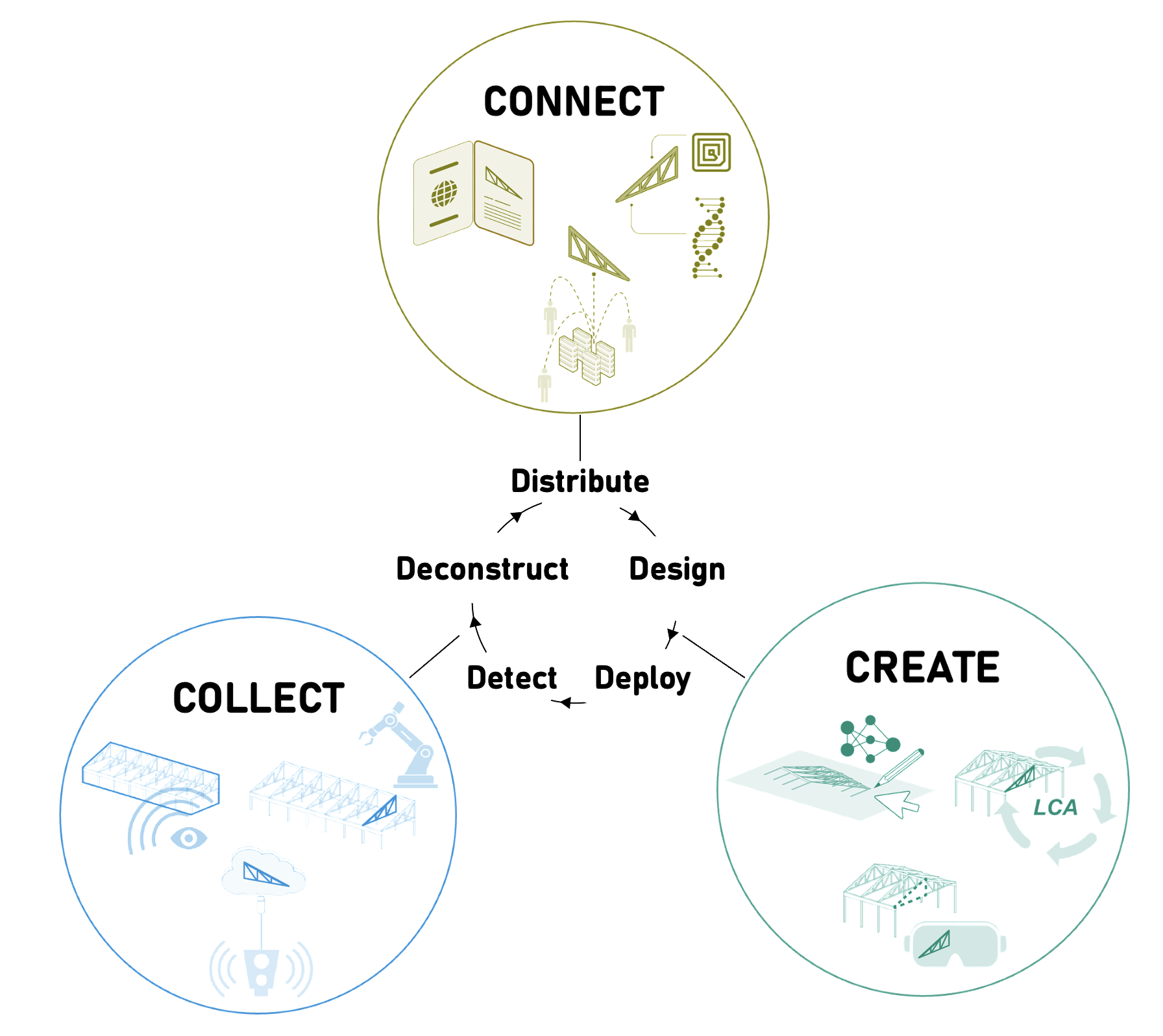
A selection of journal publications are organised around the digital circular workflow, with one overarching category (Digital Circular Workflow) and three stages: Collect, Connect, and Create. Collect focuses on digitally documenting and assessing existing materials for reuse; Connect links reclaimed components to new projects through tracking; and Create enables the adaptive redesign and reassembly of these materials using computational design, AI, and digital fabrication. Finally, related papers assess lifecycle environmental impacts, particularly embodied carbon, to connect digital circular strategies with measurable climate performance.
Digital Circular Workflow

-
De Wolf, C., Byers, B., Raghu, D., Schwarzkopf, V., Triantafyllidis, E. (2024) D5 digital circular workflow: five digital steps towards matchmaking for material reuse in construction. Nature Partner Journal Materials Sustainability, Special Issue: Environmentally Sustainable Building Materials. 2(1), 36. https://doi.org/10.1038/s44296-024-00034-8
This paper presents the D5 digital circular workflow developed to structure how digital technologies can enable material reuse in construction. By defining five coordinated digital processes for detecting, deconstructing, distributing, designing, and redeploying building components, the work provides a scalable structure for reuse across projects and disciplines.
-
Byers, B.*, Raghu, D.*, Olumo, A., De Wolf, C., Haas, C. (2023). From research to practice: A review on technologies for addressing the information gap for building material reuse in circular construction, Sustainable Production and Consumption. 45, 177-191. https://dx.doi.org/10.1016/j.spc.2023.12.017 *co-first authors.
This article reviews current and emerging technologies that help close the information gap hindering the reuse of building materials in circular construction, synthesizing literature and real-world cases to categorize how material data is captured, shared, and used.
-
De Wolf, C., Carter, K., Assi, L., Adesina, A., Ottosen, L. M., Quesada-Román, A., Vrcelj, Z., & Foliente, G. (2023). Coordinating stakeholders along the construction value chain toward sustainability. One Earth, 6(11), 1417-1420. https://doi.org/10.1016/j.oneear.2023.10.025
This article discusses the need for a coordinated effort among diverse actors in the construction value chain to achieve environmental sustainability, highlighting the substantial material and greenhouse gas footprints of the sector and identifying barriers that must be overcome for a sustainable transformation.
-
Nussholz, J., Çetin, S., Eberhardt, L., De Wolf, C., Bocken, N. (2023) “From circular strategies to actions: 65 European circular building cases and their decarbonisation potential” Resources, Conservation and Recycling Advances, 17, 200130. https://doi.org/10.1016/j.rcradv.2023.200130
Best Paper Award of Resources Conservation and Rececling Advances.
This paper analyzes 65 European circular building case studies to identify how different circular strategies, such as reuse, recycling, and design for disassembly, are being implemented in practice and what actions enable their adoption, while also assessing the decarbonization potential of these strategies.
-
Çetin, S., De Wolf, C., Bocken, N. (2021) “Circular Digital Built Environment: An Emerging Framework.” Sustainability –Circular Economy in the Digital Age special issue, 13(11), 6348. https://doi.org/10.3390/su13116348
This paper introduces the concept of a Circular Digital Built Environment, proposing a framework that explains how digital technologies can enable and accelerate circular economy strategies in the construction sector, synthesizing literature across circular economy and digitalization to identify key enablers, challenges, and research directions for integrating data, tools, and stakeholders across building lifecycles.
Collect
-
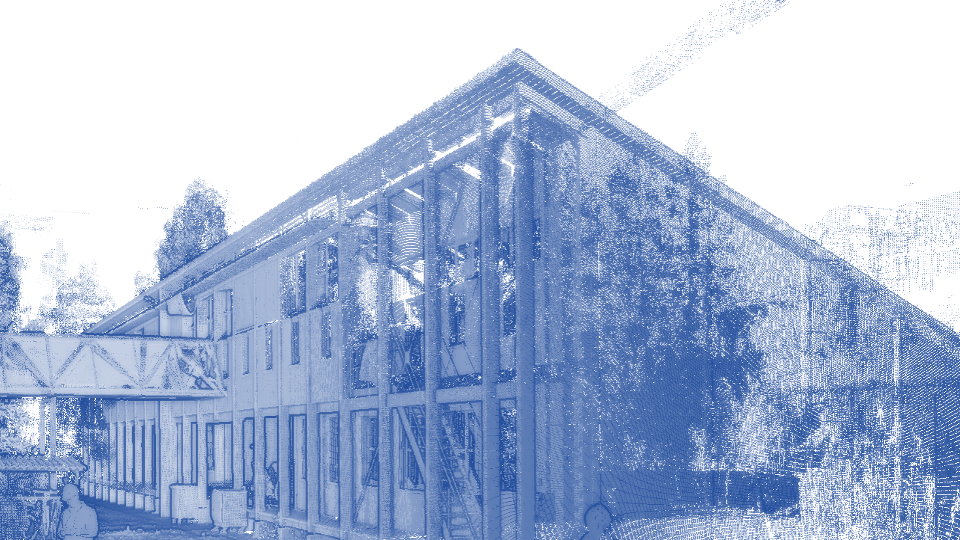
Schönfelder, L., Byers, B., Honic, M. and De Wolf, C. (2024) A Steel Element Reuse Ontology for Building Audits in Circular Construction, Developments in the Built Environment. http://dx.doi.org/10.2139/ssrn.4916239
-
Raghu, D., Bucher M.J.J., De Wolf, C. (2023) Towards a ‘resource cadastre’ for a circular economy – urban-scale building material detection using street view imagery and computer vision. Resources, Conservation and Recycling, 198, 107140. https://doi.org/10.1016/j.resconrec.2023.107140
-
Honic, M., Ferschin, P., Breitfuss, D., Cencic, O., Gourlis, G., Kovacic, I., De Wolf, C. (2023) Framework for the assessment of existing building stock through BIM and GIS. Developments in the Built Environment, 13. 100110. https://doi.org/10.1016/j.dibe.2022.100110
-
Gordon, M., Batallé, A., De Wolf, C., Sollazzo, A., Dubor, A., Wang, T. (2022) Automating building element detection for deconstruction planning and material reuse: A case study. Automation in Construction, 146, 104697. https://doi.org/10.3929/ethz-b-000589159
-
Wu, P.-Y., El-Assady, M., & De Wolf, C. (2026). A unified intelligence-augmented framework for building audits via physical and virtual inspection. Expert Systems with Applications, 302, 130514. https://doi.org/10.1016/j.eswa.2025.130514
Connect
-
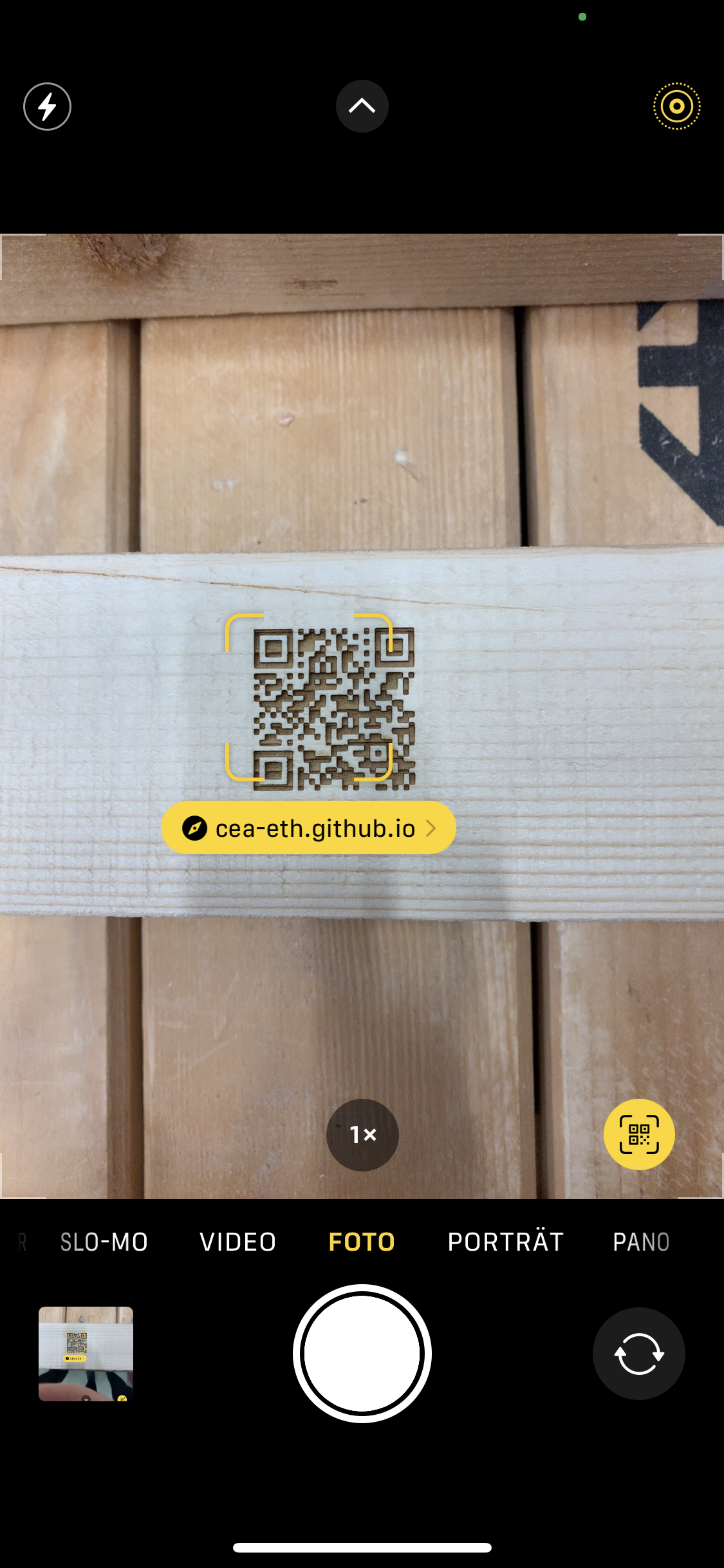
Byers, B.S., Emmenegger, P., Hunhevicz, J.J., Schumm, D., Heisel, F., Hall, D.M., De Wolf, C. (2025). Decentralized phygital identifier systems for digital passports in circular construction: a design science evaluation. Construction Innovation: Information Process Management, https://doi.org/10.1108/CI-02-2025-0074
-
Byers, B.S., Stengele, K., De Wolf, C. (2024). Data Carriers for Product Data in Circular Construction Supply Chains: A Quantitative Analysis, Journal of Cleaner Production. 494, 10-1016. https://dx.doi.org/10.2139/ssrn.4916451
-
Byers, B., & De Wolf, C. (2023). QR Code-Based Material Passports for Component Reuse Across Life Cycle Stages in Small-Scale Construction. Circular Economy, 1(1). Berlin: DSRPT UG. https://doi.org/10.55845/IWEB6031
-
Menny, T., Le Guirriec, S., and De Wolf, C. (2024). The butterfly matchmaking model for circular construction: Towards a digital matchmaking platform tailored to French policy. Sustainable Production and Consumption, 49, 130–143. https://doi.org/10.1016/j.spc.2024.06.011
This article explores how digital matchmaking platforms can be (re)designed to better support circular construction by aligning supply and demand for secondary materials and connecting key stakeholders, presenting a “butterfly matchmaking model” that defines interoperable loops for deconstruction and construction actors in the French policy context.
-
Bucher, D. F., Hunhevicz, J. J., Byers, B. S., Honic-Eser, M., De Wolf, C., & Hall, D. M. (2025). Decentralized data networks for lifecycle management in the built environment. Journal of Information Technology in Construction, 30, 826–851. https://doi.org/10.36680/j.itcon.2025.034
Create
-
Önalan, B., Mitropoulou, I., Triantafyllidis, E., Hunhevicz, J., & De Wolf, C. (2025). Computational methods for circular design with non-standard materials: Systematic review and future directions. International Journal of Architectural Computing. https://doi.org/10.1177/1478077125131612
-
Önalan, B., Triantafyllidis, E., Mitropoulou, I., & De Wolf, C. (2025) Deep Neural Network-Based Design Exploration with Concrete Cutting Waste Technology | Architecture + Design. https://doi.org/10.1080/24751448.2025.2534788
-
van den Berg, M., Schraven, D., De Wolf, C., and Voordijk, H. (2024). Materializing responsible futures: An interpretative phenomenological analysis of circular design experiences in construction. Sustainable Production and Consumption. 51, 92- 104. https://doi.org/10.1016/j.spc.2024.09.005
-
Gordon, M., & De Wolf, C. (corresponding author) (2024). Optimisation goals for efficient construction from reused materials towards a circular built environment. Developments in the Built Environment, 19, 100509. https://doi.org/10.1016/j.dibe.2024.100509
-
Silvennoinen, H. M., Honic, M., Slavkovic, K., De Wolf, C., & Block, P. (2025). Additive manufacturing for circular construction: A review of design strategies and their assessment. Sustainable Production and Consumption.
Embodied Carbon
-
Berglund-Brown, J., Dobie, I., Hewitt, J., De Wolf, C., & Ochsendorf, J. (2025). Lifetimes of demolished buildings in US and European cities. Buildings & Cities, 6(1), 1099–1116. https://doi.org/10.5334/bc.588
-
Fivet, C., De Wolf, C. (corresponding author), Menny, T., Vanbutsele, S., & Stephan, A. (2024). Multiscale spatiotemporal characterization of embodied environmental performance of building structures in Geneva from 1850 to 2018. Cleaner Environmental Systems, 100194. https://doi.org/10.1016/j.cesys.2024.100194
-
De Wolf, C. , Byers, B., Cordella, M., Dodd, N. Donatello, S. (2022) Whole life cycle environmental impact assessment of buildings: characterising software tools and databases available in Europe. Resources, Conservation and Recycling – Towards sustainability in the built environment: an integrative approach, 188, 106642. https://doi.org/10.1016/j.resconrec.2022.106642
This publication was written in collaboration with the European Commission’s Joint Research Centre to harmonise the whole life cycle environmental impact assessment of buildings in Europe, by identifying challenges, and proposing solutions for the entire community of sustainability performance of the built environment.
-
Fang, D., Brown, N., De Wolf, C., and Mueller, C. (2023) Reducing embodied carbon in structural systems: A review of earlystage design strategies. Journal of Building Engineering, 76, 107054, Elsevier. https://doi.org/10.1016/j.jobe.2023.107054
-
Research Contribution Award from the Association of Collegiate Schools of Architecture (ACSA)
Simonen, K., Rodriguez, B.X., De Wolf, C. (2017). Benchmarking the Embodied Carbon of Buildings. Journal of Technology|Archtiecture+ Design (TAD), 1(2), 208-218. https://doi.org/10.1080/24751448.2017.1354623
-
De Wolf, C., Hoxha, E., Hollberg, A., Fivet, C., Ochsendorf, J. Database of Embodied Quantity Outputs: lowering material impacts through engineering. Journal of Architectural Engineering, 26, 3. https://doi.org/10.1061/(ASCE)AE.1943-5568.0000408
Conference Publications
This selection of conference publications highlights research advances on embodied carbon, digital workflows, material intelligence, and reuse strategies in architecture and construction.
Collect
-
Karsan, Z., Dillenburger, B., & De Wolf, C. (2025). Graph Based Disassembly Sequencing with Structural and Stability Constraints. In Proceedings of the EC3 and 40th International CIB W78 Information Technology for Construction Conference, Porto, Portugal, 14-17 July. http://www.doi.org/10.35490/EC3.2025.342
This paper proposes a graph-based method for disassembly sequencing in construction that accounts for stability and internal stress constraints, demonstrating through frame structure case studies that feasible sequences can be computed efficiently for robotic disassembly applications.
-
Forth, K., & De Wolf, C. (2025). Formalizing information for disassembly potential of buildings using BIM and labeled property graphs. In Proceedings of the European Council on Computing in Construction (EC3), Porto, Portugal, 14-17 July. http://www.doi.org/10.35490/EC3.2025.197
This paper introduces a BIM-based method using labeled property graphs to represent component connection archetypes, enabling more accurate early-stage assessment of disassembly potential and supporting better circular design decisions.
-
Raghu, D., Marengo, M., Markopoulou, A., Neri, I., Chronis, A., & De Wolf, C. (2022) Enabling Component Reuse from Existing Buildings. Using Google Street View and Machine Learning to Enhance Building Databases. CAADRIA, Sydney, Australia, 5-9 April. https://doi.org/10.52842/conf.caadria.2022.2.577
This study explores methods to assess existing urban building stocks for component reuse by combining visual analysis of façades in Barcelona and Zurich with machine learning, proposing reuse evaluation metrics and strategies to support circular construction and urban planning.
-
Hangai Prize for Best Paper at the International Association for Shell and Spatial Structures (IASS)
De Wolf, C., Ramage, M., Ochsendorf, J. (2016) Low Carbon Vaulted Masonry Structures. Journal of the International Association for Shell and Spatial Structures (IASS), 57(4), 275-284. https://doi.org/10.20898/j.iass.2016.190.854
This research shows that reducing material quantities in floors and roofs and replacing conventional structural systems with efficient vaulted structures can dramatically lower embodied carbon in buildings, achieving reductions from around 440 to as low as 60 kgCO₂e/m².
-
Young Researcher Award at the Sustainable Structures Symposium (best paper of a young researcher at the symposium).
De Wolf, C., Iuorio, O., Ochsendorf, J. (2014). Structural Material Quantities and Embodied Carbon Coefficients: Challenges and Opportunities. In: Griffin, C and Mollner, J, (Eds.) Proceedings of the 5th Annual School of Architecture Symposium. Portland, OR, US. pp. 309-328. ISBN 978-0-9718903-1-2. Paper Link.
This paper examines the challenges and opportunities in estimating the embodied carbon of building structures by analyzing structural material quantities and embodied carbon coefficients, and advocates for a unified, transparent methodology and database to enable reliable benchmarking and comparison of buildings’ global warming potential.
Connect
-
Vangelova, S., Forth, K., & De Wolf, C. (2025). Towards a compatible digital product passport data template in construction. In Proceedings of the Sustainable Built Environment (SBE) Regional Conference, ETH Zurich, Switzerland, 25-27 June. https://doi.org/10.3929/ethz-b-000739400
This paper proposes a semi-automated, human-in-the-loop workflow using large language model–based topic modelling to harmonise terminology and define data templates for digital product passports in construction, aligning diverse circularity-related information requirements from literature, industry, and standards.
-
Forth, K., Kaltenegger, J., Petrova, E., & De Wolf, C. (2025). BIM-based material property enrichment using text-based and ontology-based semantic similarity matching. In Proceedings of the Sustainable Built Environment (SBE) Regional Conference, ETH Zurich, Switzerland, 25-27 June. https://doi.org/10.3929/ethz-b-000733251
This paper presents a hybrid text-based and ontology-based semantic matching approach to automatically enrich BIM models with thermal and environmental material properties, improving the robustness of material matching for early-stage energy and life cycle environmental assessments.
-
Blum, C.P., Byers, B.S., Hunhevicz, J.J., & De Wolf, C. (2025). Towards Tracking Circular Construction Supply Chains: Data Carrier Performance in Realistic Experiments. In Proceedings of the European Council on Computing in Construction (EC3), Porto, Portugal, 14-17 July. https://doi.org/10.35490/ec3.2025.324
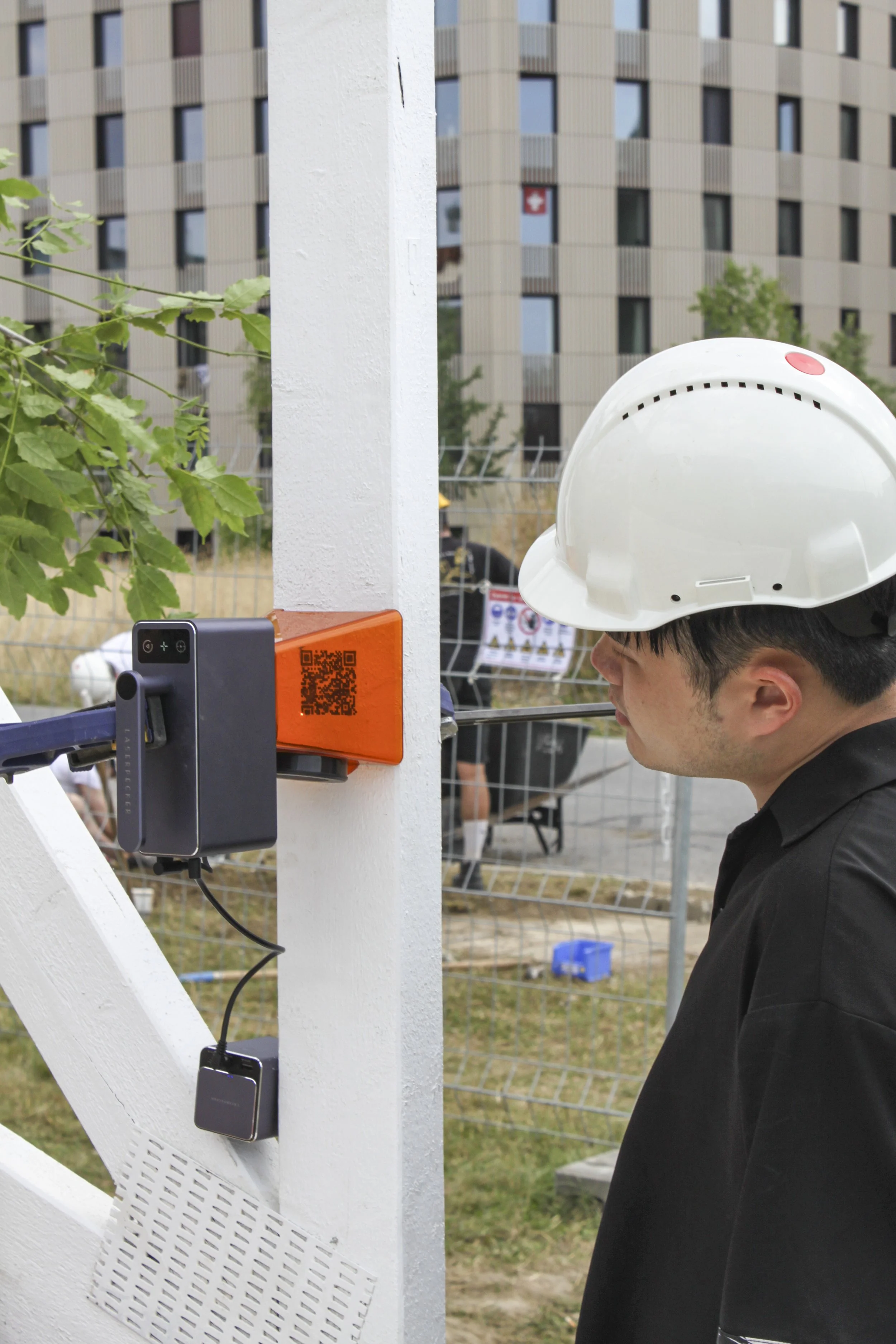
This study compares RFID, NFC, QR codes, and direct product marking for tracking construction materials in circular supply chains, showing that RFID and NFC provide faster and more usable identification than direct product marking, with performance strongly influenced by context and user interaction.
-
Byers, B. S., Eeva, V., Hall, D. M., & De Wolf, C. (2024). Self-sovereign identity of things (SSIoT): Digital identities for circular construction supply chains. In Proceedings of the American Society of Civil Engineers (ASCE) International Conference on Computing in Civil Engineering (i3CE). https://doi.org/10.1061/9780784486139.040
This paper introduces the concept of Self-sovereign Identity of Things (SSIoT) for the AEC industry, showing how decentralized digital identity technologies integrated with IoT-enabled building products can support product passports, improve material traceability, and enable circular construction supply chains.
-
Byers, B.S., Triantafyllidis, E., Menny, T., Schulte, M., & De Wolf, C. (2025). Assessing User Experience of Extended Reality Devices for (Dis)Assembly, a Classroom Study. In International Conference on Application of Information Technologies in Engineering, Management and Science (ICAI-TEMS), University of Calabria, 11–14 November. https://doi.org/10.48550/arXiv.2505.07154
This study compares user experience across XR devices for assembly and disassembly tasks, finding that augmented reality offers the highest usability while mixed reality minimizes cognitive load, thereby providing guidance for selecting XR systems in circular construction contexts.
Create
-
Rob|Arch Best Paper Award
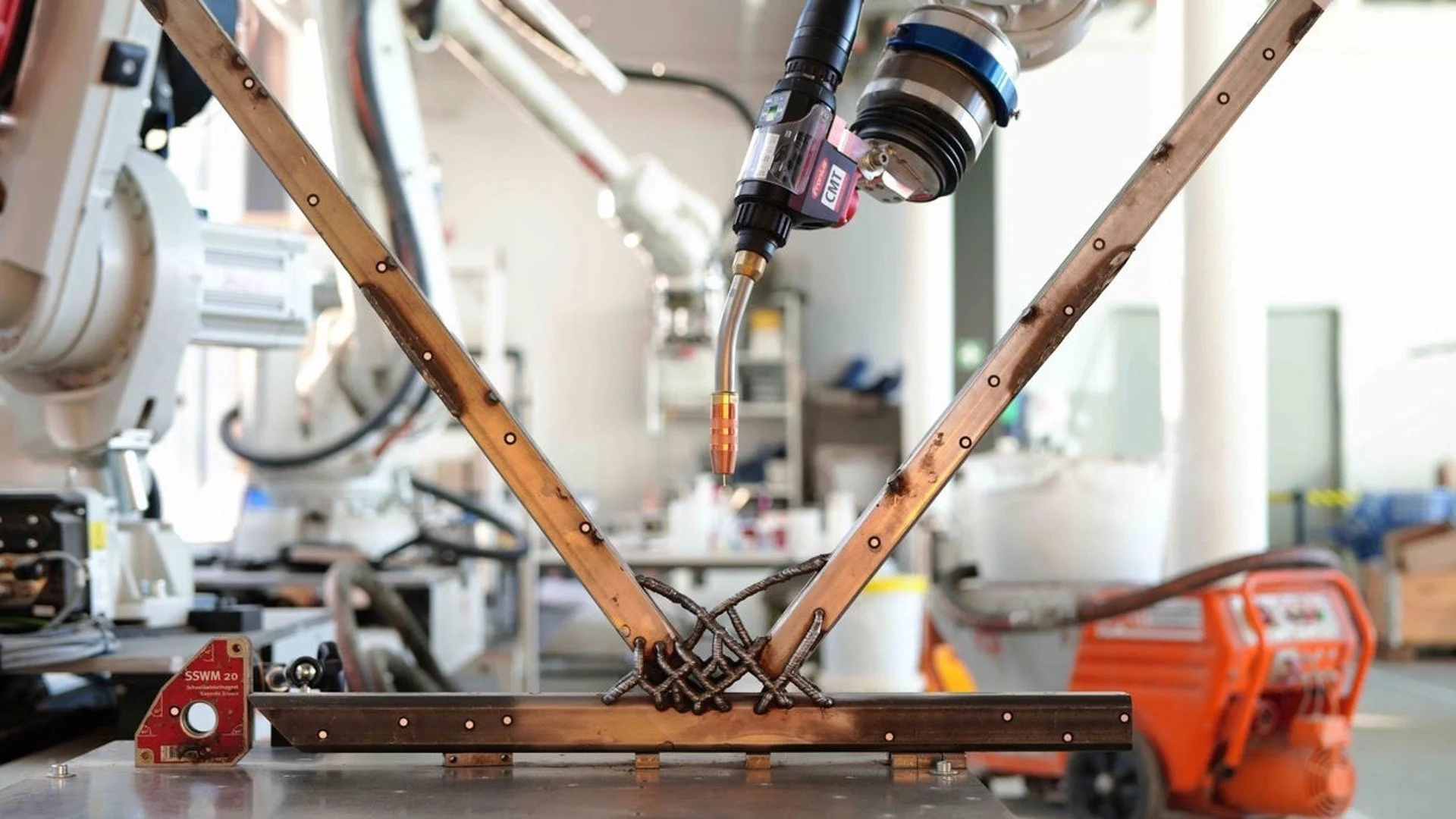
Ariza, I., Rust, R., Silvestru, V.-A., Taras, A., Gramazio, F., Kohler, M., & De Wolf, C. (2024). Lost and bound: adaptive detailing with robotic additive joining for reclaimed steel. In Proceedings of Robotic Fabrication in Architecture, Art, and Design (Rob|Arch) Conference, Toronto, Canada. Paper Link.
This work presents an adaptive robotic fabrication and additive joining strategy that uses as-built data and wire and arc additive manufacturing to connect irregular reclaimed steel components, enabling their reuse without extensive pre-processing and supporting circular construction practices. Hosted by the Association for Robots in Architecture, first author Inès Ariza presented her work at the CEA Lab in collaboration with Gramazio Kohler Research and the Steel and Composite Structures group at ETH Zurich.
-
Schwarzkopf, V., Wu, P.Y., Nolte, T., & De Wolf, C. (2025). Fostering creativity using AI towards a circular economy in architectural engineering design. In Proceedings of the 6th International Conference on Structures and Architecture (ICSA), University of Antwerp, Belgium, 8–11 July 2025. Publication Link.
This publication establish a design-methodological frameworks for applying generative AI to circular construction, demonstrating how AI can act as a creative co-designer in reuse-driven architectural engineering rather than merely a technical optimisation tool.
-
Silvennoinen, H., Piccioni, V., Eftekhar-Olivo, N., Milano, F., Block, P., & De Wolf, C. (2025). Circularity assessment of 3D-printed polymer façades. In Proceedings of the 6th International Conference on Structures and Architecture (ICSA), University of Antwerp, Belgium, 8–11 July 2025. https://doi.org/10.1201/9781003658641-69
This study evaluates the circularity of 3D-printed polymer façades using the Product Circularity Indicator and finds that, under scenarios with high recycled content, full recyclability, and shorter lifespans, they can outperform conventional glass-based façades and offer promising potential for closed-loop, locally sourced circular façade systems.
-
Law Man Ki Ian, Chang, K. C., Önalan, B., Reisach, D., Griffioen, S., de Saussure, A., Dillenburger, B., & De Wolf, C. (2024). Web-based material database for circular design. Design Modelling Symposium, University of Kassel, Germany, 14-18 September. https://doi.org/10.1007/978-3-031-68275-9_10
This study presents a user-friendly digital workflow that integrates databases, automated photo-based 3D model generation, and CAD interfaces to streamline the sourcing, visualization, and use of reclaimed materials in circular architectural design.
-
Huang, Y., Alkhayat, L., De Wolf, C., & Mueller, C. (2021). Algorithmic circular design with reused structural elements: Method and Tool. International fib Symposium Conceptual Design of Structures, Solothurn, Switzerland, 16-18 September. https://doi.org/10.3929/ethz-b-000515183
This paper compares algorithmic approaches for reuse-driven structural design and introduces a Grasshopper-based tool that applies circular economy principles by prioritizing the reuse of existing structural materials, demonstrated through a case study.
Reports and White Papers
-
![Espazium Tracés]()
De Wolf, C. (2025). Educating Circular Minds
-
![De Wolf, C., Cetin, S., Bocken, N., Hegelbach, S. (2022). “4 promising digital technologies for circular construction,” Sustainable Development Impact Meetings, World Economic Forum.]()
De Wolf, C., Cetin, S., Bocken, N., Hegelbach, S. (2022). “4 promising digital technologies for circular construction,” Sustainable Development Impact Meetings, World Economic Forum.
-
![Cirkla]()
De Wolf, C., Raghu, D., Sentic, A., Fivet, C. (2023). Innovations Practitioners Need for Circularity in the Swiss Architecture, Engineering, and Construction Sector
-
![Chan, P. W., De Wolf, C., & Koutamanis, A. (2021). The digital potential in creating a circular construction economy. Technische Universiteit Delft]()
Chan, P. W., De Wolf, C., & Koutamanis, A. (2021). The digital potential in creating a circular construction economy. Technische Universiteit Delft
-
![Logos of the European Climate Foundation featuring a circular symbol with a swirl inside and the text 'European Climate Foundation' beside it.]()
Favier, A., De Wolf, C., Scrivener, K., Habert, G. (2018). A Sustainable Future for the European Cement and Concrete Industry
-
![WGBC]()
Bringing Embodied Carbon Upfront
-
![RICS Logo]()
RICS professional standards and guidance, UK Whole life carbon assessment for the built environment